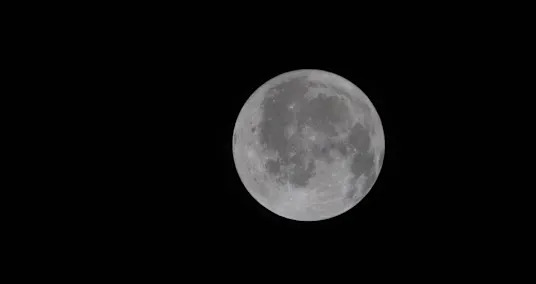
Awe-inspiring new photos captured by the Artemis II astronauts showcase the moon and the interior of the Orion spacecraft, offering a glimpse into their lives in space as they close in on another historic milestone.
One image highlighting the moon even captured a portion of the Orientale basin, which marks a first for human eyes, according to NASA. Only robotic imagers have witnessed this lunar region. The shadowed crater, which is 600 miles (965 kilometers) wide, represents a key transition region between the near and far sides of the moon.
Images taken from inside the Orion capsule have shifted from solely highlighting the glowing spectacle of Earth as seen from a cosmic perspective to refocusing on the moon as the mission draws closer to the silvery orb.
unknown content item
-
The crew is more than halfway to the moon, according to NASA, and their highly anticipated lunar flyby will occur on Monday.
The astronauts said the moon continues to appear larger through Orion’s windows as their journey continues.

The Artemis II images of Earth have been equally stunning, showcasing perspectives of our planet that haven’t been seen by human eyes since astronauts last left Earth orbit during the Apollo era.

The crew has also appeared live on camera throughout NASA’s continuing broadcast of the mission, allowing candid glimpses of their life in space.

In this new verdantly illuminated photo, the majority of the Orion spacecraft’s lights are turned off to avoid glare on the windows, allowing Canadian Space Agency astronaut Jeremy Hansen to look outside and enjoy the view.

And much like during the Artemis I mission in 2022, Artemis II’s journey will include multiple selfie opportunities. The Orion spacecraft’s solar array wings are equipped with cameras that can capture high-resolution selfies, including ones with the moon or Earth.
This image was taken during a routine external inspection of Orion using its cameras on the second day — while also providing a unique perspective of the capsule in the space environment.

NASA’s Artemis program is sending humans into deep space for the first time in more than five decades. Sign up for Countdown newsletter and get updates from CNN Science on out-of-this-world expeditions as they unfold.
For more CNN news and newsletters create an account at CNN.com
LATEST POSTS
- 1
 Yoshi mania, Happy Meals and not-so-great reviews: A small talk guide to 'The Super Mario Galaxy Movie'
 - 2EU agrees on agriculture safeguards as fronts harden in Mercosur deal
- 3Dave Coulier shares new cancer diagnosis 1 year after revealing previous diagnosis
- 4FDA adds strongest warning to Sarepta gene therapy linked to 2 patient deaths
- 5Best Quest for new employment Site for You to Track down Amazing open doors



- Jasmine Crockett in, Colin Allred out: A major shakeup for Democrats in their quest to finally win a Senate seat in Texas
- Which Switch Game Do You Suggest? Share Your Decision
- Windows to the Previous: An Excursion Through the World's Notable Engineering
- AstraZeneca to invest $2 billion as part of US manufacturing push
- UN panel says Israel operating 'de facto policy of torture'
- 'Tangled' live-action movie casts Teagan Croft and Milo Manheim as Rapunzel and Flynn
- 6 Pet Sitting Administrations for Your Cherished Pets
- The Best Internet Mastering Stages for Expertise Improvement
- How effective is the flu shot this year? New report shows promising results