5 State of the art Advancements in Computer generated Simulation

Computer generated Reality (VR) innovation has essentially advanced since its presentation, with its applications progressing quickly. From vivid gaming encounters to extraordinary purposes in medical services and schooling, VR is rethinking limits and setting out new open doors. This article investigates five imaginative headways in augmented experience that are impacting the fate of this unique innovation.
VR for Clinical Preparation and Treatment:
Computer generated Reality assumes a significant part in clinical preparation and treatment, permitting clinical understudies to rehearse medical procedures and methods in a protected, controlled climate, in this way improving their abilities prior to working with genuine patients. Moreover, VR is used in openness treatment to address fears and post-horrible pressure problems by giving a controlled setting to patients to face their feelings of dread.
Haptic Criticism and Tactile Inundation:
Haptic criticism innovation is changing VR encounters by conveying material vibes that reproduce genuine communications. Gadgets outfitted with sensors and actuators can recreate contact, tension, and even temperature varieties. This development further develops inundation, making virtual associations more similar and locking in.
VR for Compositional Representation:
Engineers and originators are tackling VR to make vivid structural walkthroughs and representations. This innovation empowers clients and partners to practically investigate and cooperate with 3D models of designs and spaces, offering a more clear comprehension of the last plan. Subsequently, it smoothes out the plan cycle and improves independent direction.
Social VR and Cooperative Stages:
Advancements in friendly VR are developing new method for associating and working together in virtual conditions. Clients can connect with companions, associates, or outsiders in shared spaces, making significant distance correspondence really captivating and individual. Cooperative stages permit groups to cooperate easily, whether conceptualizing, planning, or holding virtual gatherings.
Increased Reality (AR) Reconciliation:
The combination of AR and VR is widening the capability of the two advancements. AR overlays computerized components onto this present reality, while VR conveys vivid encounters in totally virtual conditions. This blend permits clients to change flawlessly among virtual and genuine settings, further developing applications across schooling, gaming, and modern preparation.
End:
The notable headways in computer generated simulation are changing the manner in which we experience and draw in with advanced content and the actual world. From clinical preparation and treatment to design perception and cooperative stages, VR is growing limits and revealing new open doors for innovativeness, learning, and correspondence. As innovation advances, we can expect much more progressive improvements in computer generated experience, upgrading our lives and reshaping ventures in uncommon ways.
VR for Clinical Preparation and Treatment:
Computer generated Reality assumes a significant part in clinical preparation and treatment, permitting clinical understudies to rehearse medical procedures and methods in a protected, controlled climate, in this way improving their abilities prior to working with genuine patients. Moreover, VR is used in openness treatment to address fears and post-horrible pressure problems by giving a controlled setting to patients to face their feelings of dread.
Haptic Criticism and Tactile Inundation:
Haptic criticism innovation is changing VR encounters by conveying material vibes that reproduce genuine communications. Gadgets outfitted with sensors and actuators can recreate contact, tension, and even temperature varieties. This development further develops inundation, making virtual associations more similar and locking in.
VR for Compositional Representation:
Engineers and originators are tackling VR to make vivid structural walkthroughs and representations. This innovation empowers clients and partners to practically investigate and cooperate with 3D models of designs and spaces, offering a more clear comprehension of the last plan. Subsequently, it smoothes out the plan cycle and improves independent direction.
Social VR and Cooperative Stages:
Advancements in friendly VR are developing new method for associating and working together in virtual conditions. Clients can connect with companions, associates, or outsiders in shared spaces, making significant distance correspondence really captivating and individual. Cooperative stages permit groups to cooperate easily, whether conceptualizing, planning, or holding virtual gatherings.
Increased Reality (AR) Reconciliation:
The combination of AR and VR is widening the capability of the two advancements. AR overlays computerized components onto this present reality, while VR conveys vivid encounters in totally virtual conditions. This blend permits clients to change flawlessly among virtual and genuine settings, further developing applications across schooling, gaming, and modern preparation.
End:
The notable headways in computer generated simulation are changing the manner in which we experience and draw in with advanced content and the actual world. From clinical preparation and treatment to design perception and cooperative stages, VR is growing limits and revealing new open doors for innovativeness, learning, and correspondence. As innovation advances, we can expect much more progressive improvements in computer generated experience, upgrading our lives and reshaping ventures in uncommon ways.
LATEST POSTS
- 1
 They died 'doing what they loved': The stories of workers in their 80s who died on the job
 - 2Moon memorial: Artemis 2 astronauts name lunar 'bright spot' after mission commander's late wife
- 3Brazil Passes Law to Use Seized Bitcoin, Crypto to Fund Public Security Measures
- 4Top 15 Supportable Design Brands Coming out on top
- 5CDC advisory panel delays vote on hepatitis B vaccines after unruly meeting




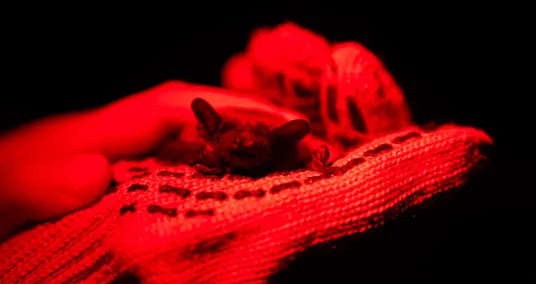
- After harsh winter, Ukrainians find joy in releasing bats rescued from war
- Historical mysteries solved by science in 2025
- Amy Poehler's podcast is a hit. It's also a Trojan horse for talking about women and aging.
- Manual for Famous people Known for Their Altruistic Endeavors
- 10 Hints for an Effective New employee screening
- See as Your #1: These Low-Sugar Food sources You Ought to Attempt
- When does Spotify Wrapped come out? The music streamer says 'soon.'
- 'Unreal' solar eclipse: Artemis 2 crew just saw one of the rarest sights in spaceflight history
- Watch the Geminid meteor shower peak tonight from the comfort of home with this free livestream