A massive dust storm, or haboob, swept across the Sahara Desert from western Algeria into Mauritania, Morocco, Western Sahara and the Canary Islands on March 30. The dust stretched for more than 1,000 miles.
As meteorologists observed the dust storm from space via weather satellites, social media users captured the incoming dust storm on camera. One video shows a thick wall of dust and sand moving toward a resident of the town of Tindouf, near the Mauritanian, Western Saharan and Moroccan borders.
How does the dust affect tropical storms in the Atlantic?
While this storm didn't make it too far off the coast, significant amounts of dust can drift westward from Africa across the Atlantic beginning in May. This can inhibit tropical storm formation, or the strengthening of an existing system, because the dusty air has about 50% less moisture than the typical tropical atmosphere.
Strong winds in the dust layer can also substantially increase the vertical wind shear in and around the storm environment, potentially disrupting any storm that forms.
LATEST POSTS
- 1
 A soft launch, an unfollow and a lot of questions: Breaking down the 'Summer House' romance blowing up group chats
 - 2Survey: Canteen Cups With Great Warm Protection Impact
- 3Ariana Grande and Jonathan Bailey will reunite for 'Sunday in the Park With George'
- 4The Best Internet Mastering Stages for Expertise Improvement
- 5Sa'ar warns German delegation: 'A Palestinian state would be a Hamas terror state'





- Jupiter and the moon take a sunset stroll on March 26. Here's how to see it
- The Beginning Of The End For Fossil Fuels Can Start In Colombia
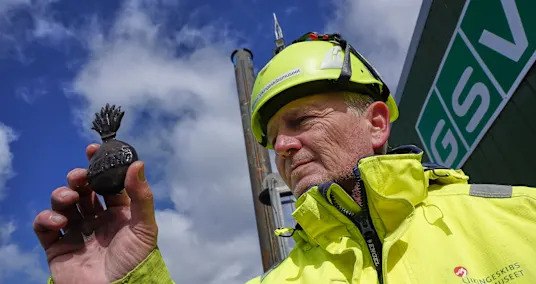
- Danish warship sunk by famed British admiral discovered after 225 years
- ‘RuPaul's Drag Race’ Season 18: How to watch without cable, premiere time, cast list and more
- Step by step instructions to Remain Spurred While Chasing after a Web-based Degree
- Hilary Duff releases 'Mature,' her 1st song in 10 years
- Best Streaming Gadget for Your Home Theater
- Mother and Stepson Rescued After Being Swept Over 6 Miles in Paddleboarding Mishap
- Five killed in Israeli air strikes on tents near Khan Younis, medics say